
Review · ITALY
Cinematic & Classical Organ Experience in Historic Church
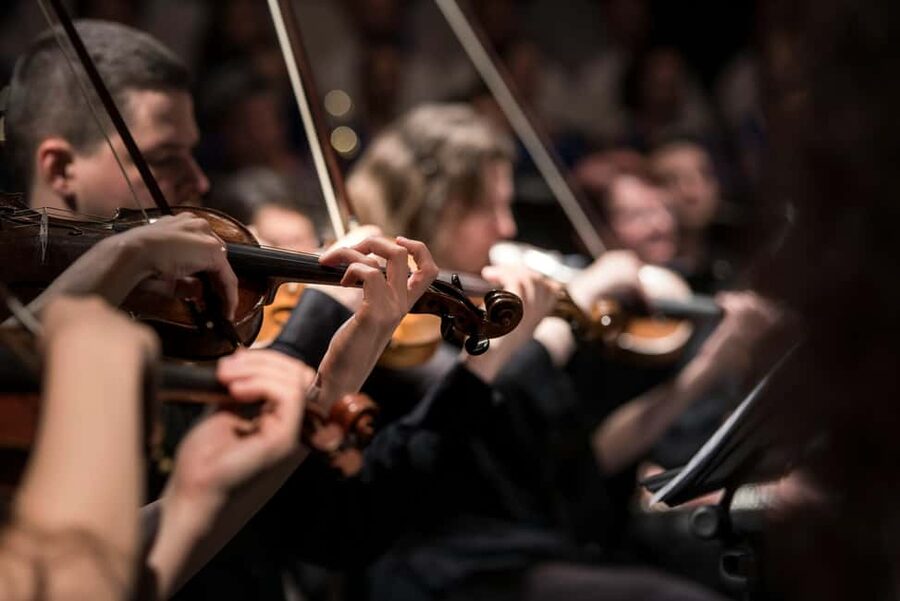
Inside Milan’s Church of Sant’Angelo, a pipe organ becomes the main guide. This one-hour experience pairs Italian classical music with film themes, showing how one instrument can suggest an entire orchestra. I like the clear contrast between old masters and modern scores, and I like that the music comes with a short explanation of the church, the organ, and the pieces.
The main consideration is taste. This is not a full-length traditional organ recital, and the movie themes may appeal more to some listeners than strict classical purists. At $29, it offers good value for anyone who wants music, architecture, and a bit of Milanese culture in one compact stop.
Key points
- A 16th-century church setting: Listen inside the monumental Church of Sant’Angelo, also presented as Santa Maria degli Angeli.
- The organ acts like an orchestra: Hear the instrument shift from solemn classical passages to powerful cinematic sound.
- Music includes famous film themes: The program features references to Interstellar, Ennio Morricone, and Game of Thrones.
- A guided musical explanation: You learn why the pieces suit the church and how the pipe organ works.
- A compact one-hour plan: It fits neatly into a day of sightseeing without taking over your schedule.
- English and Italian hosting: The experience is wheelchair accessible and offers free cancellation up to 24 hours before the start.
A pipe organ with more than one voice
The central idea here is simple and effective: show what the pipe organ can do, rather than treating it as a background feature of church architecture.
You hear the instrument in several musical moods. Italian classical works bring out its solemn, formal side. Film music shows its ability to build tension, warmth, drama, and scale. A pipe organ can imitate the force of brass, the softness of strings, and the long sustained sound that makes a church seem larger than it is.
I like this approach because it gives you something to listen for. Instead of sitting through an unfamiliar recital and hoping the program clicks, you can compare styles. The music becomes a demonstration of the organ’s range, not just a series of unrelated pieces.
The program includes themes associated with Interstellar, Ennio Morricone, and Game of Thrones. These choices bring the instrument close to music you may already know. That familiarity helps you notice how a melody changes when played by pipes in a historic church rather than by a film orchestra.
More History Behind the Scenes in the world:
- Game of Thrones & History of Dubrovnik Tour
★ 5.0 · 628 reviews - History and Movie Tour of Beaufort by Golf Cart
★ 5.0 · 562 reviews - Dubrovnik: History and Game of Thrones Walking Tour
★ 4.7 · 85 reviews
Entering the historic church
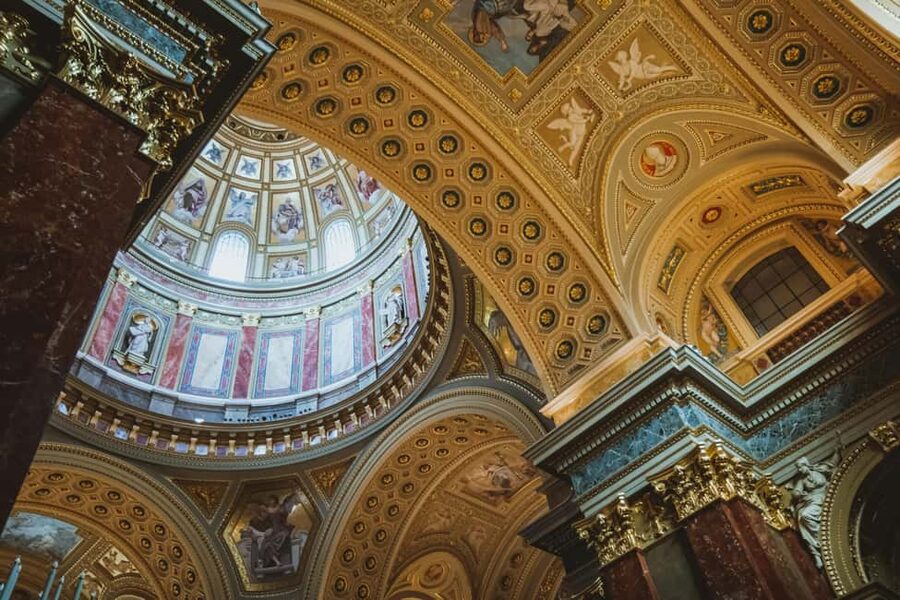
The setting is one of the main reasons to book. The experience takes place inside the Church of Sant’Angelo, described as a monumental church with 16th-century roots and also identified as Santa Maria degli Angeli.
The church is not simply a place to sit while music happens. Its stone, height, and interior space shape the sound. Notes linger. Chords spread through the room. A quiet passage can feel unusually spacious, while a full organ entrance can make the building seem to answer back.
You should think of the church as part of the performance. The architecture gives the music its character, and the music gives you a reason to pay closer attention to the architecture. This is useful for visitors who want more than a quick photograph and a short look inside a religious building.
The supplied details do not specify a full architectural tour, a fixed seating arrangement, or particular works in a set order. You should expect historical and musical context, but not a long church lecture or a room-by-room guided visit.
How the one-hour program unfolds
The experience is built as a structured musical journey. The precise running order may vary, but the format has three clear parts.
First comes an introduction to the organ and its place in the church. You learn why it is often called the King of Instruments and how its pipes, stops, and controls allow one performer to create a wide range of sound. This explanation gives the performance a useful frame.
Next, the organist demonstrates the instrument’s traditional voice. Italian classical selections show its weight, clarity, and solemn character. This is the section most likely to please listeners who enjoy sacred music, older European composition, or the sound of a large organ in a stone church.
The program then moves toward cinematic music. Themes linked with Interstellar, Morricone, and Game of Thrones show how the same instrument can sound intimate, suspenseful, heroic, or mournful. The contrast is the point. You are not hearing a classical concert followed by a random pop selection. You are seeing how one instrument carries ideas from the concert hall and the cinema.
The final impression is meant to be reflective. The experience combines listening with a little education, giving you time to take in the acoustics and the atmosphere of the church.
Why the film music matters
Film themes can sometimes feel like a gimmick in a classical setting. Here, they have a practical purpose. They help you understand the organ’s ability to create atmosphere.
Morricone’s music is a natural fit for the instrument’s broad, emotional sound. The Interstellar material can highlight long lines and a sense of scale. Game of Thrones brings another kind of drama, with music that can sound ceremonial and weighty on the pipes.
You do not need specialist knowledge to follow the program. Recognizing a theme lets you focus on the differences in tone, rhythm, and space. If you know the music from a film, you can compare the original orchestral setting with the organ version. If you do not know every piece, the spoken explanation still gives you a path into the program.
This makes the experience a good choice for mixed groups. One person can care about Italian music, another can prefer movie scores, and both can find a reason to listen closely.
More Film Location Tours in the world:
- From London: Harry Potter Warner Bros Studio Tour
★ 4.7 · 26,588 reviews - Magical London: Harry Potter Guided Walking Tour
★ 4.7 · 22,044 reviews - London: Warner Bros. Studio Harry Potter Tour & Branded Bus
★ 4.7 · 19,194 reviews - Edinburgh: Harry Potter Magical Guided Walking Tour
★ 4.8 · 11,944 reviews
Maestro De Vita and the human side of the performance
The performance is associated with Maestro De Vita, whose playing received particular praise for bringing digital compositions to life on a real pipe organ. That detail points to one of the experience’s more interesting features: the organ is not being treated as an old relic.
The organist has to control a large mechanical and musical system while shaping the sound in real time. The result can suggest a full ensemble, but it comes from one performer and one instrument. That is part of the educational value. You are not just hearing music in an old church. You are seeing how a musician uses the instrument’s many voices.
The exact technical demonstration is not specified in detail, so you should not expect a hands-on organ lesson or access to the console. The focus remains on listening. Still, the explanation helps you hear the performance with more awareness.
The strongest response to this experience has focused on the music, the sound quality, and the beauty of the venue. One especially useful detail is that the pipe organ’s sound has been found emotionally powerful, not merely impressive in volume. That distinction matters. A loud instrument can fill a room, but a good performance also uses restraint.
Acoustics, volume, and what you may notice
A historic church changes the way music reaches you. The sound does not arrive with the tight control of a modern concert hall. Notes can linger and blend, which suits the organ but may soften fine detail in very busy passages.
I like that this experience treats the acoustics as part of the subject. You are hearing what happens when the instrument and building work together. The same chord can feel firm in one setting and almost floating in another.
The sound may be powerful, particularly during full organ passages. If you are sensitive to loud music, it is worth keeping that in mind. The available information does not provide a volume warning or seating advice, so you may want to choose a position that feels comfortable once you arrive.
The phrase perfect acoustics is used in the activity information, but I would read that as a description of the venue’s character, not a promise of studio-like precision. Reverberation is part of the appeal, and it can also blur small details.
Is $29 good value?
At $29 per person, this is fairly priced for a one-hour cultural experience in a historic Milan church. You are paying for a live performance, an unusual setting, and an explanation of the music and architecture.
The value is strongest if you would otherwise pass through the church quickly. A short church visit may give you a visual impression. This experience gives you a reason to stay, listen, and understand how the building affects the sound.
It is also a useful choice for a tightly planned day. One hour is long enough to feel like a real activity but short enough to fit around other Milan sights. You do not need to give up half a day or commit to an evening concert.
The price is less convincing if you want a formal, extended organ recital with a large classical program. This format is educational and varied. It is designed to reveal the instrument through comparisons, not to provide a long sequence of major works.
For me, the strongest value comes from the combination. A standard concert may give you music. A church visit may give you architecture. This gives you both, plus a clear explanation of the instrument.
Who will enjoy this most
I would recommend it to you if you like one or more of the following:
- Historic churches and religious architecture
- Italian classical music
- Film scores and dramatic themes
- Short cultural activities with a clear structure
- Unusual performances rather than standard tourist concerts
- Musical demonstrations that explain how an instrument works
It is especially suitable for first-time visitors who want a small piece of Italian heritage without signing up for a long concert. Families with older children may also find the film comparisons easier to follow than a program made up entirely of unfamiliar sacred works, although the activity information does not set a minimum age.
Classical music specialists may want to check the precise program before booking. The available details name styles and featured themes, but they do not give a complete work list. If you need specific composers or a strictly traditional recital, ask before reserving.
The activity can be hosted in English or Italian. That makes the spoken context useful to a wider range of visitors, though the music itself crosses language lines easily.
Practical points before you book
Plan on one hour, and check the available start times before you arrange the rest of your day. The schedule is not fixed in the information provided, so you should select a time that leaves room for arriving at the church without rushing.
The experience is wheelchair accessible. That is an important advantage for visitors who need an accessible cultural activity, although the available details do not describe the exact route, seating, or restroom arrangements.
The church is an indoor religious setting, so dress and behavior matter. Smoking, bicycles, alcohol, and drugs are not allowed. Tight clothing is also listed as not permitted. Choose respectful, comfortable clothing suitable for a historic church rather than treating this like a casual street performance.
You can cancel up to 24 hours before the start for a full refund. The reserve-now, pay-later option also helps if your Milan schedule is still changing.
The host or greeter speaks English and Italian. The information does not promise a printed program, headphones, translation, or a particular group size, so do not assume those extras are included.
How it compares with a standard concert
A normal organ concert asks you to settle in and receive the music. This experience asks you to listen and notice.
The comparisons between classical pieces and film scores make the format more accessible. You hear how the organ handles different emotional jobs, from solemnity to suspense. That structure is useful if you are curious about organ music but are not sure you want a full recital.
The tradeoff is that the program may feel less pure to someone seeking only traditional repertoire. The cinematic material is a central feature, not a small extra. You should book it for the contrast, not hope the film themes will disappear into a classical program.
I also like the fact that the activity is not built around a large tourist spectacle. The point is the church, the organ, and the relationship between sound and stone. It offers a quieter kind of cultural encounter, even when the music itself becomes grand.
Should you book the Sant’Angelo organ experience?
Book it if you want a short, thoughtful cultural stop that combines Milanese church architecture with live music. The strongest reasons are the unusual pipe-organ demonstration, the mix of Italian classics and recognizable film themes, and the chance to hear the building itself shape the performance.
Skip it if you want a long, strictly classical recital, a complete architectural tour, or a detailed schedule of every piece before you buy. The program is designed as a guided musical presentation, and its appeal depends on enjoying both education and performance.
For $29, I see it as a good Milan add-on. It gives you a different way to understand an old church, and the one-hour length keeps the commitment easy. If the idea of hearing Interstellar, Morricone, and Game of Thrones on a pipe organ sounds intriguing, this is a smart booking.
FAQ
Where does the organ experience take place?
It takes place inside the Church of Sant’Angelo in Lombardy, also described in the activity information as the monumental Church of Santa Maria degli Angeli.
How long does the experience last?
The experience lasts one hour.
How much does it cost?
The listed price is $29 per person.
Which music is included?
The program compares Italian classical music with cinematic themes connected with Interstellar, Ennio Morricone, and Game of Thrones. A complete song list is not provided.
Is the experience available in English?
Yes. The host or greeter is available in English and Italian.
Is the church wheelchair accessible?
Yes. The activity is listed as wheelchair accessible.
Can I cancel for a full refund?
Yes. You can cancel up to 24 hours in advance for a full refund.
What is not allowed during the experience?
Smoking indoors, bicycles, alcohol, drugs, and tight clothing are not allowed.
Just added in the world
- Hobbiton Movie Set Guided Day Tour with Lunch from Auckland★ 5.0 · 3 reviews
- Private Hobbiton Movie Set & Waitomo Caves in a Day from Auckland★ 5.0 · 2 reviews
- Private Journey to Middle-earth: Hobbiton Movie Set – Ex Auckland★ 5.0 · 7 reviews
- From Auckland:Hobbiton Movie Set & Waitomo Caves Small Group Tour★ 5.0 · 23 reviews
- Auckland to Rotorua via Hobbiton Small Group Tour (One Way)★ 5.0 · 72 reviews
- Auckland to Rotorua, Hobbiton and Waitomo 1 Way Small Group Tour★ 5.0 · 6 reviews
- Auckland to Waitomo Caves and Hobbiton Movie Set Private Tour★ 5.0 · 12 reviews
- Private Hobbiton Movie Set and Rotorua Day Trip from Auckland★ 5.0 · 10 reviews
Historical Tours, compared.

History and Movie Tour of Beaufort by Golf Cart
Read our review →


Schindler’s List Movie Tour: Historic Sites & Film Location
Read our review →This one also appears on