Review · FILM LOCATION TOURS
Pop-Up Cinema in the Community + Post Film Discussion with Locals
The best part of this Cape Town experience is that the film screening is only half the story. You meet Buhle, a young social entrepreneur in Khayelitsha, hear how he funds his community screenings, and then watch locally produced films with people from the area. Guide Jason leads the conversation and helps you understand what you are seeing.
I like the direct contact with a local changemaker, and I like that part of your fee supports the host through a 10% charitable pledge. The small group, capped at 10 people, should also make the discussion feel personal. The main drawback is that the experience depends on good weather, and the bare-bones option does not include hotel pickup, food, or photos.
Key Things to Know Before You Book
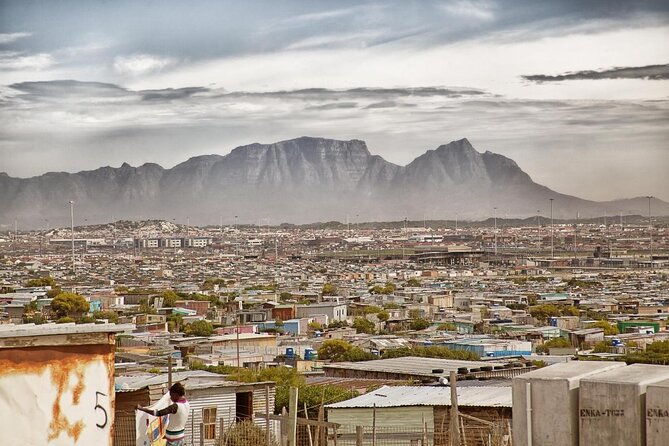
- Meet Buhle at the center of his own project: He runs mobile film screenings in Khayelitsha to create a safe place for learning and entertainment.
- Hear the story before watching the films: Jason interviews Buhle for 30 minutes, followed by 15 minutes of guest questions.
- Watch three South African short films: The program includes The Rise of Shembe, Scapegoat, and Amalobolo.
- Talk about each film with local adults: The discussion takes place between screenings, giving the films a community setting rather than a silent theater experience.
- Keep the group small: A maximum of 10 participants allows time for questions and conversation.
- Plan for a simple, community-based outing: The meeting point is on Bengezela Street in Harare, Khayelitsha, and the activity ends there.
Meeting Buhle in Khayelitsha
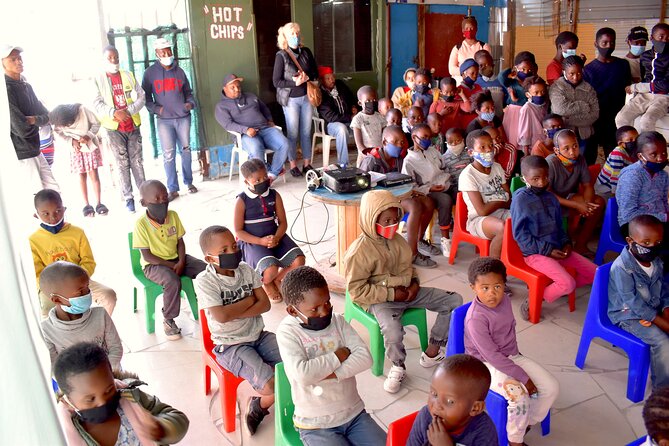
This is not a sightseeing loop built around famous Cape Town landmarks. It takes you into Khayelitsha for a closer look at one person’s work and the practical choices behind it.
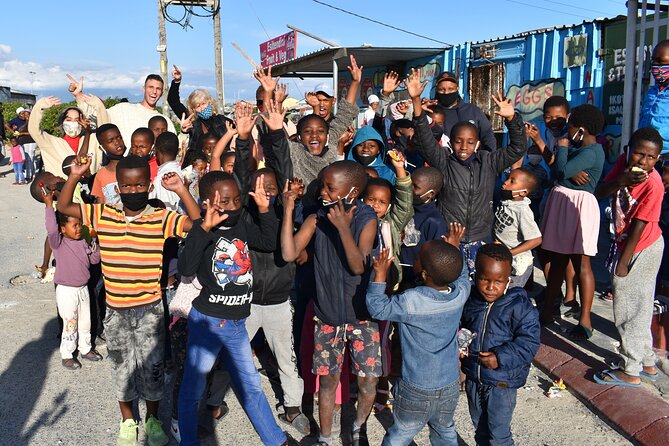
Buhle runs mobile screenings for the local community. His aim is not simply to show films. He uses them to encourage learning, give children and neighbors a safe place to gather, and open up discussion about subjects that matter in daily life.
The project has a wonderfully practical foundation. Buhle also operates a garbage-bin cleaning service to raise money for hall rental and snacks for children at the screenings. That detail tells you a lot about the project. It is not funded by a large institution with a ready-made budget. It grows from small services, personal effort, and a clear belief that film can bring people together.
You may also visit the home where Buhle grew up, including his mother’s home, as part of the welcome and conversation. That setting gives his story a more personal scale. You are not meeting a polished public speaker presenting a prepared success story. You are hearing about the ups and downs of a young person who has chosen social entrepreneurship as his path.
The experience does not promise a broad tour of Khayelitsha, so you should not book it expecting a long neighborhood drive or a full cultural overview. Its focus is narrower and more useful: one local initiative, the person behind it, and the community conversation that grows around the films.
More Film Location Tours in the world:
- From London: Harry Potter Warner Bros Studio Tour
★ 4.7 · 26,588 reviews - Magical London: Harry Potter Guided Walking Tour
★ 4.7 · 22,044 reviews - London: Warner Bros. Studio Harry Potter Tour & Branded Bus
★ 4.7 · 19,194 reviews
Jason’s Interview Sets the Tone
The first scheduled part lasts about 30 minutes and consists of an interview with Buhle led by Jason, the Side by Side guide and experience facilitator.
This is a strong way to begin. You get background before the screening, so Buhle’s work does not feel like a disconnected activity arranged for outsiders. Jason’s questions help explain why Buhle started the screenings, how he keeps them going, and how his other work helps pay for them.
After the interview, you have about 15 minutes for your own questions. Use that time. Ask about the practical side of the screenings, the role of film in the community, or the challenges of running a small social project. The format leaves room for a real exchange instead of asking you to simply listen and move on.
The guide is present throughout the experience. If you add hotel pickup, the Side by Side guide accompanies you from pickup to drop-off and handles entrance fees on your behalf. For the bare-bones version, you meet at Bengezela Street and make your own way to the starting point.
A small group should help here. With no more than 10 people, you are less likely to disappear into the back of a crowd. You should have a fair chance to ask a question and follow the conversation.
A Short Walk to the Screening Venue
After the interview and questions, the group makes a walk of about 15 minutes to the screening venue.
This is a modest part of the schedule, but it helps connect the discussion to the neighborhood. You are moving from conversation into the setting where Buhle’s project actually happens. The walk also gives you a natural pause before the film program begins.
The supplied details do not describe the exact walking route or venue facilities, so prepare for a local community setting rather than a cinema with the comforts of a commercial theater. If you need a specific accessibility arrangement, contact the operator before booking. The activity is described as suitable for most participants, but no detailed accessibility information is provided.
Local children may be present only on weekend bookings and only upon request. Adult neighbors are the standard community members joining the experience. That distinction matters if you are booking specifically to meet children or hoping for a school-style activity. You should expect adult community participation unless children have been requested for a weekend visit.
Three Short Films, Three Conversations
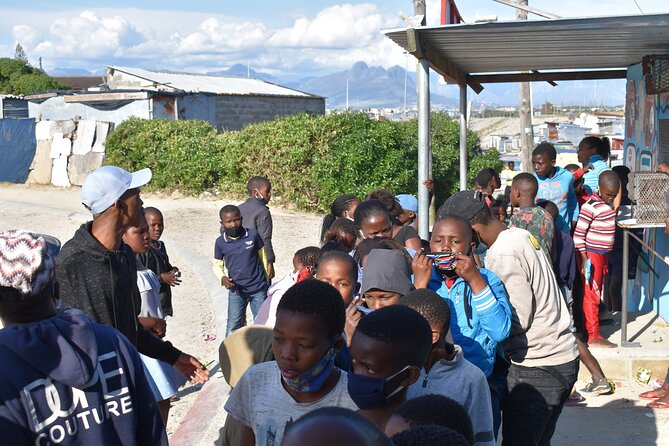
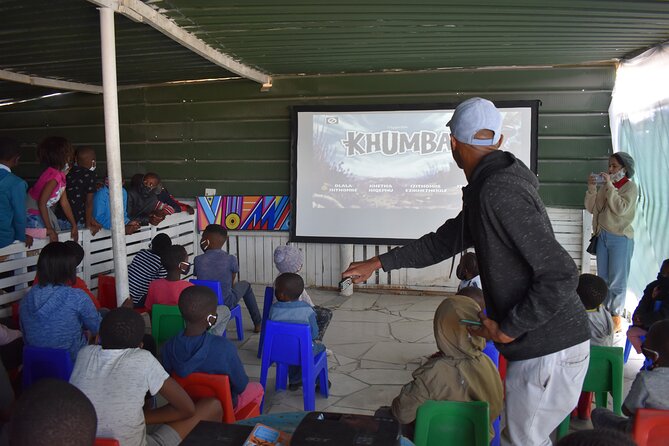
The screening section lasts about 90 minutes. Three locally produced short films are shown, with a group discussion between each one:
- The Rise of Shembe
- Scapegoat
- Amalobolo
The structure is more engaging than watching three films back to back. After each short film, you have a chance to talk about its subject, message, and effect. The local setting gives those conversations added weight. You are not only asking what a film means in the abstract. You are hearing how its themes connect with people who live in the community hosting the screening.
You should come ready to listen as well as speak. The value is not in getting a single official interpretation from the guide. It is in hearing different reactions and noticing where your own reading of a film differs from someone else’s.
The titles suggest a program connected to South African identity, social pressure, and community life, but the supplied information does not provide detailed plots. It would be wrong to promise specific storylines or themes before you watch them. What you can count on is a locally produced program followed by discussion, not a standard international movie night.
The format also gives you a better sense of Buhle’s purpose. His screenings are designed to inspire and educate, while still offering entertainment. That mix is important. The event is not presented as a classroom lecture, and it is not only a feel-good gathering. Film provides a way into harder questions without making the whole evening heavy.
Same place on screen, a different production:
- Edinburgh: Harry Potter Magical Guided Walking Tour
★ 4.8 · 11,944 reviews - London: Warner Bros. Studio Harry Potter Tour with Transfers
★ 4.6 · 9,709 reviews - Hobbiton Movie Set: Guided Tour Ticket
★ 4.9 · 8,167 reviews - Los Angeles: Warner Bros. Studio Tour Hollywood
★ 4.6 · 7,191 reviews
Why the Community Discussion Matters
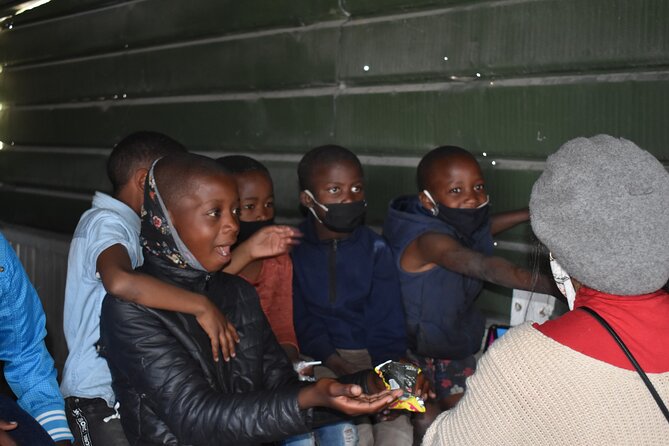
A pop-up cinema can sound simple: set up a screen, show a film, and invite people in. Here, the discussion is the part that turns the screening into a social project.
Buhle is creating a place where people can meet, learn, and talk. His work gives residents access to locally produced films while also making room for reflection. The event shows how a small community project can use culture as a tool for connection.
You will also get a more grounded view of Khayelitsha than a quick photo stop can provide. The focus remains on Buhle’s work, not on treating the neighborhood as a backdrop. That makes the experience a better fit for someone who wants a personal encounter and a clear social purpose.
Still, keep your expectations sensible. Three hours cannot explain every part of Khayelitsha, and the experience is not designed to give you a complete account of Cape Town’s townships. It offers one window into the area through one person’s project. I find that limitation helpful, as long as you understand it before booking.
What the Price Includes at $29.38
At $29.38 per person, the price is reasonable for a three-hour hosted experience with a guide, an interview, a film program, and a community discussion. The value is not based on expensive transport or a long list of included attractions. It comes from access to Buhle’s story, the time set aside for questions, and the chance to join a project that gives something back locally.
The 10% charitable pledge is an important part of the price. A share of each booking goes back to the changemakers through year-end gifts such as equipment, bursaries, and cash grants. That does not replace careful judgment about the activity, but it does give your payment a purpose beyond the three hours you spend there.
The bare-bones price does not include add-ons. Bottled water is available for cash purchase from the guide. Hotel pickup, meals, and the photoshoot option are tied to packages that include those extras, so check the option you select rather than assuming they come with the base price.
The photoshoot add-on can provide HD photos and videos of you taking part, delivered by Google Drive the same day. It is optional, and I would treat it as a convenience rather than a reason to book. The heart of the experience is the conversation and screening, not the souvenir media.
Pickup, Timing, and the Small-Group Format
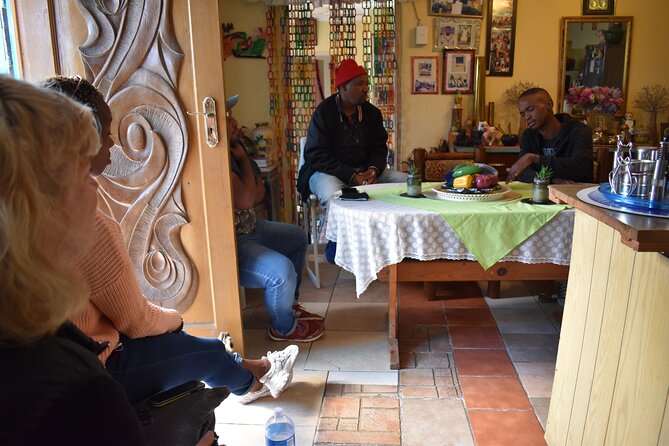
The activity lasts about three hours and begins at Bengezela Street, Bengezela Street, Harare, Cape Town, 7784. It ends back at the same meeting point.
Hotel pickup is offered as an add-on. If you choose it, the guide handles the transfer from pickup through drop-off. That can make the experience easier if you are unfamiliar with the area or prefer not to arrange your own transport to Harare. If you select the basic option, you need to plan your arrival at the meeting point yourself.
The maximum group size is 10. That is a useful limit for an interview and discussion-based activity. A large bus group would work against the very thing you are paying for: a chance to ask questions and speak with local participants.
The schedule is fairly precise:
- 30 minutes for Jason’s interview with Buhle
- 15 minutes for your questions
- 15 minutes walking to the screening venue
- 90 minutes for three short films and discussions
- 15 minutes for natural interaction and good-byes
The final 15 minutes is not a formal attraction. It gives you time to exchange a few more words before leaving. Do not expect every minute to be tightly programmed. The value of that final pause is the chance to let the experience settle.
Who Will Get the Most From This Experience
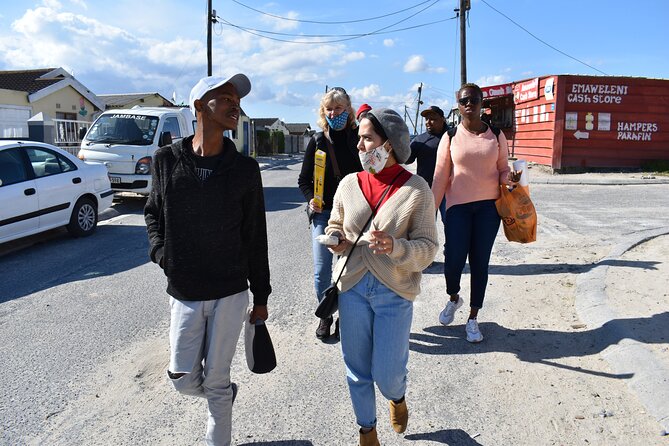
I would recommend this outing to you if you prefer meeting a person with a clear local project rather than collecting landmarks. It suits curious visitors who enjoy documentaries, short films, social enterprise, and conversation.
It is also a good choice if you want a community-based experience with a modest price and a direct local benefit. The group size and interview format are especially helpful if you like asking questions and hearing personal stories.
Families may find the idea appealing, but remember that children from the community are only possibly included on weekend bookings and only upon request. Adult neighbors are the normal participants, so do not book this expecting a children’s entertainment session.
You may want to skip it if you want a polished theater, a broad Cape Town sightseeing tour, or a guaranteed schedule involving local children. The pop-up format is part of its charm, but it also means the setting is simple and the experience depends on the community project’s real conditions.
Weather, Cancellation, and Practical Planning
The activity requires good weather. If poor weather forces cancellation, you are offered another date or a full refund. The experience also requires a minimum number of participants. If it is canceled because that number is not reached, you are offered a different date or experience, or a full refund.
You can cancel for a full refund up to 24 hours before the start time. Cancellations or changes made less than 24 hours before the start are not refunded or accepted. Cutoff times use Cape Town local time.
Bring a little cash if you want bottled water from the guide. No bottled water is included. Confirmation is issued at booking, and most people can participate, though detailed accessibility information is not supplied.
Should You Book the Khayelitsha Pop-Up Cinema?
Book it if you want a focused, human-scale experience built around Buhle’s work, Jason’s interview, and locally produced films. The strongest reasons are the personal story, the small group, the discussion with adult neighbors, and the direct support for a community changemaker.
At $29.38, it offers good value for three hours, especially if you choose the basic option and make your own way to Bengezela Street. Add hotel pickup if transport is the main concern, but do not confuse the add-ons with the main attraction.
I would pass if your priority is a conventional cinema, a major sightseeing route, or a tightly controlled tourist program. For everyone else, this is a thoughtful way to spend part of a Cape Town visit, with enough structure to feel organized and enough openness for a real conversation.
FAQ
Where does the pop-up cinema experience start?
It starts at Bengezela Street in Harare, Cape Town, postal code 7784, South Africa.
Where does the activity end?
The activity ends back at the meeting point on Bengezela Street.
How long does the experience last?
It lasts approximately three hours.
Is hotel pickup included?
Hotel pickup is offered as an add-on. It is not included in the bare-bones option.
How many people can join the experience?
The activity has a maximum of 10 participants.
Are children from the community guaranteed to attend?
No. Local children may be present upon request on weekend bookings only. Adult neighbors are the standard community members who join.
What happens if the weather is poor?
If poor weather causes cancellation, you are offered a different date or a full refund.
Just added in the world
- Wellington: Lord of the Rings Filming Locations Tour★ 4.0 · 6 reviews
- Wellington: Lord of the Rings Half-Day Guided Tour inc Weta★ 5.0 · 5 reviews
- York: Game of Thrones Walking Tour★ 5.0 · 2 reviews
- Wellington: Half-Day Lord of the Rings Locations Tour★ 4.8 · 10 reviews
- Virtual reality movie – experience I AM LITHUANIA★ 4.4 · 5 reviews
- Skopelos Island: Mamma Mia Filming Locations Tour★ 4.9 · 32 reviews
- Zion: Harry Potter-Inspired Zion Ghost Tour with Sunset View★ 5.0 · 8 reviews
- Universal Studios Hollywood: Halloween Horror Nights★ 4.2 · 98 reviews
Film Location Tours, compared.
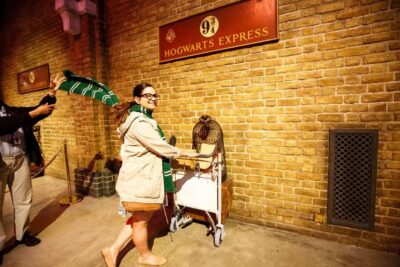
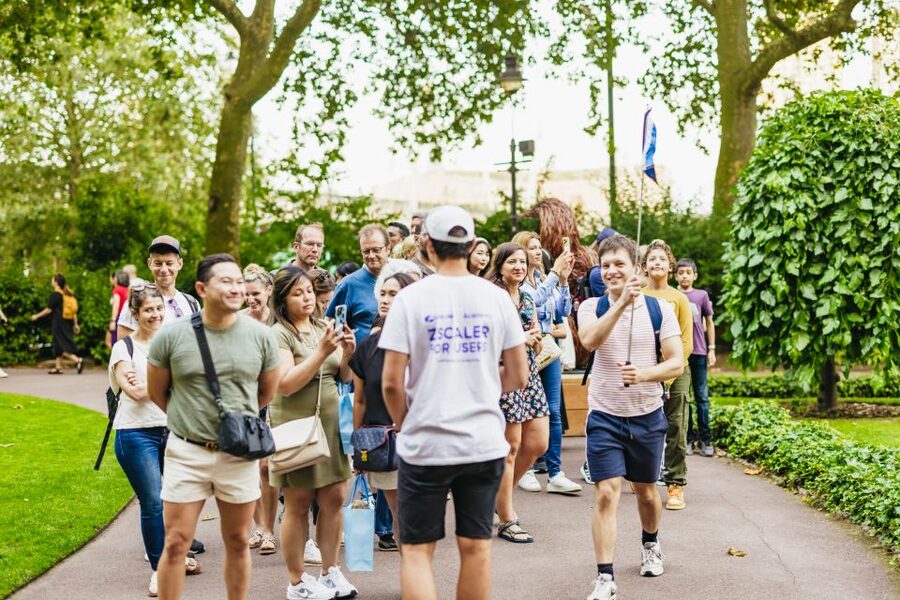
Magical London: Harry Potter Guided Walking Tour
Read our review →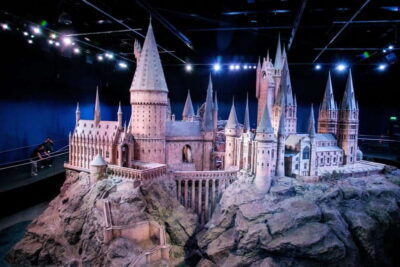
Warner Bros. Studio Harry Potter Tour & Branded Bus
Read our review →
Warner Bros. Studio Harry Potter Tour with Transfers
Read our review →