
Review · GIRONA
Girona: Museum of Cinema Entry Ticket
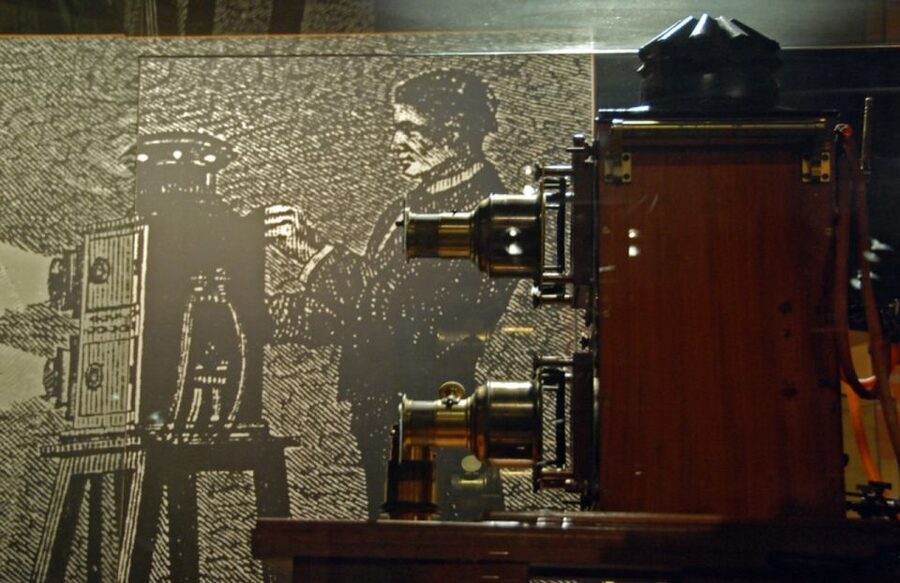
The most fascinating part of Girona’s Museum of Cinema is that it begins long before films. Inside the former House of Waters, you follow the human urge to create moving pictures through optical devices, shadow shows, projection tools, and other objects that eventually led to cinema in 1895.
I like the museum for two clear reasons: the nearly 8,000 pre-cinema objects give the subject real depth, and the displays are interactive enough to keep an eight-year-old interested. The free web audioguide adds useful detail beyond the panels, too.
The main drawback is that the audioguide depends on your phone and may not work smoothly for everyone. Also, check for free admission days before paying, since one Sunday booking turned out to fall on a day when entry was free.
Key points at a glance
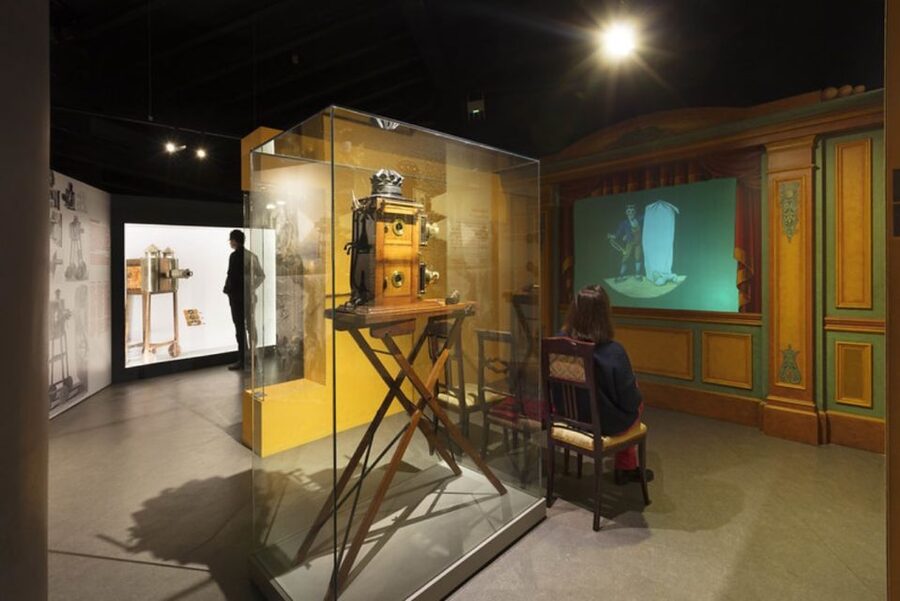
- See cinema before cinema: Follow 500 years of image-making before the invention of the cinematograph in 1895.
- Explore the Tomàs Mallol Collection: Examine historic cinematographic and pre-cinematographic devices collected by Tomàs Mallol.
- Expect a family-friendly visit: Interactive areas make the subject easier for children to enjoy, not just adults.
- Use the free web audioguide: Extra information is available in English, French, Catalan, and Spanish.
- See more than one exhibition: Admission covers both the permanent exhibition and the temporary exhibition.
- Pay attention to free days: Check the calendar before booking, especially around the first Sunday of the month.
Girona’s House of Waters sets the scene
The museum occupies a late nineteenth-century building known as the House of Waters, once the headquarters of Girona’s water company. That setting gives the visit a useful sense of place before you even reach the displays.
This is not a modern cinema attraction built around blockbuster films. It is a permanent, non-profit museum devoted to the history of the moving image. Its purpose is to preserve objects, study them, explain them, and make the subject available for public and educational use.
I like that the museum treats cinema as a long process rather than a single invention. The familiar story often jumps from still images straight to film, but this collection shows the many experiments that came first.
The museum’s approach also suits Girona’s role as a cultural stop. You can visit it as a break from the city’s medieval streets, but it is not just a rainy-day filler. The displays explain how people tried to produce motion, illusion, projection, and visual storytelling across several centuries.
More Film Museums and Exhibitions in Spain:
- Split: Game of Thrones Museum Entrance Ticket
★ 3.8 · 385 reviews - Minoans World 3D Museum & 9D Cinema
★ 4.5 · 315 reviews - Star Wars story Museum Ticket Pass
★ 5.0 · 249 reviews
Begin with 500 years of pre-cinema
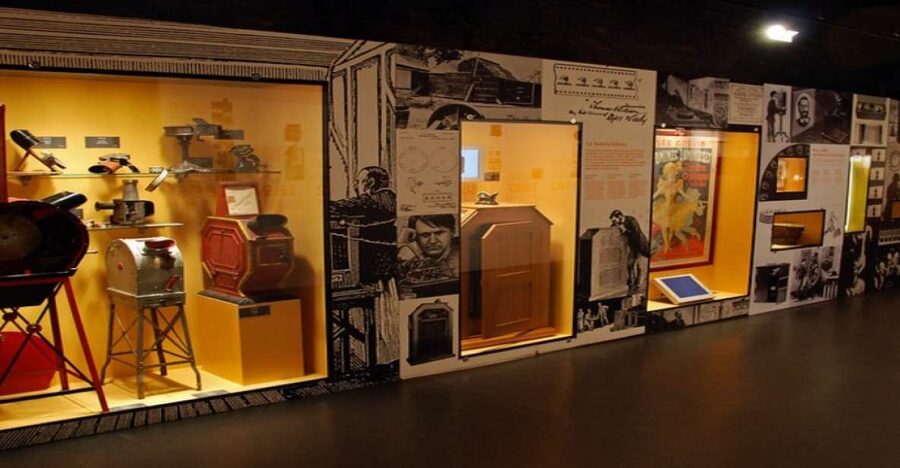
The permanent exhibition covers the period before cinema and explains how images were represented before moving pictures became possible. You might encounter devices and objects linked to optical effects, projected images, and early visual entertainment.
The collection includes almost 8,000 pre-cinematographic objects. You will not see every item on display at once, but that figure gives you an idea of the museum’s scope. The objects are not merely old machines placed in glass cases. Together, they explain the technical steps that led toward the moving image.
This is the strongest part of the visit for anyone who likes understanding how things work. Instead of treating film as magic, the museum breaks down the mechanics and ideas behind it.
The displays also help you see why the invention of cinema did not happen overnight. Before the cinematograph, people were already experimenting with images, light, movement, and the illusion of animation. The museum’s story connects those experiments and shows how one stage led to another.
You may find some of the objects unfamiliar. That is part of the appeal. The collection includes devices whose names and purposes will be new to many people, and the museum uses them to broaden the usual story of cinema.
The Tomàs Mallol Collection gives the museum its focus
The museum began with Girona’s acquisition of the Tomàs Mallol Collection on January 28, 1994. Tomàs Mallol assembled a major collection of cinematographic and pre-cinematographic devices, and his name remains at the center of the museum.
This focus makes the museum feel more specific than a general film museum. You are not simply walking past posters or famous movie costumes. You are looking at the tools and visual devices that helped create the conditions for cinema.
The collection also gives the museum educational value. If you visit with children, you can talk about how images were made before television, phones, and digital animation. If you visit alone, the same objects offer a compact lesson in technical change.
The museum explains the road to the cinematograph of 1895. That date matters because it marks the point when moving-image technology became recognizable as cinema, but the museum makes clear that the groundwork was laid much earlier.
I would allow yourself time to read and test the interactive elements rather than rushing from case to case. The objects make more sense when you connect them to the larger question: how did people learn to make still images appear to move?
Interactive displays help families stay involved
This museum works particularly well for families because it does not rely only on long blocks of text. Interactive elements give children something to do while adults read the background.
An eight-year-old can enjoy the visit, according to the practical evidence from the museum’s use, and that is important. Many collections about technical history are more interesting to adults than children. Here, the visual subject and hands-on character help bridge that gap.
Activities are also available for groups of adults and families. The exact format can vary, so check what is scheduled when you plan your visit. Still, the museum’s wider program shows that it aims to be a place for participation, not just quiet observation.
I would not describe the museum as a full-day attraction in the sense of spending hours and hours inside. Your ticket is valid for one day, but the useful point is flexibility. You can build the museum into a Girona walking day without needing to rush through it in a fixed time slot.
Families should keep expectations realistic. The museum is about the history and technology of cinema, not a screening venue filled with famous films. Children who enjoy making, testing, and discovering how images work are likely to get the most from it.
More Entry Tickets in Spain:
- Tabernas: MiniHollywood Oasys Entry Ticket & Optional Buffet
★ 4.5 · 268 reviews - Peníscola Tour Castle Tickets & Game of Thrones locations
★ 4.1 · 6 reviews - Hobbiton Movie Set: Guided Tour Ticket
★ 4.9 · 8,167 reviews - Budapest: Cinema Mystica Entry Ticket
★ 4.3 · 3,103 reviews
The audioguide adds useful detail, with one practical catch
Admission includes a free audioguide accessed through the museum’s website. It is available in English, French, Catalan, and Spanish, which makes the visit easier if you do not read Catalan or Spanish with ease.
The audioguide is worth trying because it provides information beyond the exhibition panels. One visitor found it especially useful for adding context, while another had trouble getting it to work. That contrast gives you the practical lesson: bring a charged phone, and do not rely on the audio alone.
The printed brochure is also available in English, French, Catalan, and Spanish. If the web guide refuses to cooperate, you should still have a basic written explanation to follow.
The audioguide format lets you set your own pace. You can listen closely to the sections that interest you and move faster through areas that feel more technical. It is a good fit for mixed groups, where one person wants every detail and another prefers to keep moving.
I would open the audioguide before entering the main displays, if possible. That gives you a chance to sort out language settings and sound before you are standing in front of the first cases.
Permanent and temporary exhibitions add variety
Your ticket includes both the permanent exhibition and the temporary exhibition. The permanent section supplies the museum’s main argument: the moving image has a long prehistory, and cinema grew from many earlier forms of visual experimentation.
The temporary exhibition gives you another reason to visit if you are staying in Girona for more than a short trip or returning to the city. Its subject will change, so you should check current details if a particular temporary show matters to your plans.
I like this combination because it keeps the museum from feeling locked in one period. You get the dependable core collection, then a changing section that can shift the emphasis.
The amount of time you spend will depend on how closely you examine the objects and use the interactive features. A quick visit can give you the main story, while a slower visit rewards anyone interested in the mechanics and social background of early visual entertainment.
A library adds value for serious film fans
The museum includes a library with more than 4,000 titles. This is a useful sign of the institution’s wider purpose. It is not only preserving objects for display; it also supports study and research around cinema and visual shows.
The library may matter most to students, film enthusiasts, and anyone researching early cinema. For a casual visit, you probably will not spend much time there, but its presence strengthens the museum’s role as a cultural and educational center.
You can think of the library as part of the museum’s long-term value rather than a major stop on a short sightseeing visit. It shows that the collection is backed by written material and ongoing study, not just attractive objects in cases.
The $8 price is good value for a focused museum
At $8 per person, this is a reasonably priced cultural stop in Girona. The ticket covers the permanent and temporary exhibitions, a multilingual brochure, and access to the free web audioguide.
The value is strongest if you enjoy museums that explain a subject rather than simply display famous items. You are paying for a structured look at 500 years of visual invention, with a sizeable collection behind it.
Families may find the price particularly fair if the interactive sections keep children involved. The museum also offers activities for families and adult groups, adding potential value beyond a basic self-guided visit.
Still, check whether your date has free admission. One paid booking turned out to coincide with a free Sunday, reportedly the first Sunday of the month. Policies can change, so confirm before you commit money. That small check could save the full ticket price.
The ticket is valid for one day, but the supplied information does not give a fixed visit length or a timed tour schedule. Treat it as a flexible museum admission rather than a guided excursion with a set route.
Accessibility and planning details
The building is prepared for people with reduced mobility and is wheelchair accessible. That makes the museum easier to include in a Girona itinerary for people who need step-free access.
No transport is included or required by the ticket information. You arrange your own way to the museum in Girona, then explore independently once inside.
Free cancellation is available up to 24 hours before the visit, with a full refund. You can also reserve and pay later, which may help if your Girona plans are still shifting.
The available languages are English, French, Catalan, and Spanish for the brochure and audioguide. No individual guide is named, and this is not presented as a guided walking tour. You should plan for a self-guided museum visit supported by written and web-based information.
Who will enjoy the Museum of Cinema most
I would choose this museum for you if you like technical history, visual culture, old machines, or the story behind everyday entertainment. It is also a smart pick for families who want something more active than a traditional collection of paintings.
It suits a mixed group because you can approach the displays at different levels. One person can focus on the historical explanation, another can test the interactive elements, and everyone can regroup around the unusual devices.
Film fans should come with the right expectation. This is not mainly about famous directors, actors, or movie memorabilia. It is about the development of the moving image and the devices that made cinema possible.
You may want to skip it if you have very little time in Girona and only want the city’s major historic sights. The museum is worthwhile, but its appeal depends on your interest in how visual technology developed.
Should you book Girona’s Museum of Cinema?
Book it if you want an affordable, thoughtful museum that explains where cinema came from instead of starting with modern film. The Tomàs Mallol Collection, the large number of pre-cinema objects, and the interactive displays make it more substantial than its modest price suggests.
I would especially recommend it for families, curious adults, and anyone who likes understanding the machinery behind familiar entertainment. Check free-admission dates first, and prepare your phone for the audioguide.
Skip it only if your schedule is extremely tight or you want a museum centered on famous films and stars. For most people with room for one unusual cultural stop in Girona, this is a sensible $8 addition.
FAQ
Where is the Museum of Cinema located?
The museum is in Girona, Catalonia, in a late nineteenth-century building known as the House of Waters.
What does the Museum of Cinema focus on?
It explains the history of the moving image, including how images were represented before cinema and the technical process leading to the cinematograph in 1895.
How many objects are in the museum’s pre-cinema collection?
The museum summarizes almost 8,000 pre-cinematographic objects.
What is the Tomàs Mallol Collection?
It is a collection of cinematographic and pre-cinematographic devices acquired by the City of Girona from Tomàs Mallol in 1994.
What does the ticket include?
The ticket includes entry to the permanent and temporary exhibitions, plus an informative brochure and access to a free web audioguide.
Which languages are available?
The brochure and audioguide are available in English, French, Catalan, and Spanish.
Is the museum suitable for children?
Yes. The museum offers activities for families, and its interactive areas can help children enjoy the visit.
Is the museum wheelchair accessible?
Yes. The building is prepared for people with reduced mobility and is wheelchair accessible.
Is there a library?
Yes. The museum has a library with more than 4,000 titles.
Can I cancel my booking?
Yes. You can cancel up to 24 hours in advance for a full refund. You can also reserve and pay later.
Just added in Spain
- Full-Day Western Theme Park Tour of Mini Hollywood – Oasys★ 4.0 · 69 reviews
- Seville Royal Palace and Game of Thrones Tour★ 3.8 · 29 reviews
- Peníscola Tour Castle Tickets & Game of Thrones locations★ 4.1 · 6 reviews
- Barcelona: Gothic Quarter Cinematic Photoshoot and Guide★ 3.8 · 7 reviews
- Barcelona: Girona Game of Thrones Private Tour with Pickup★ 5.0 · 4 reviews
- Girona: Game of Thrones Walking Tour★ 4.4 · 3 reviews
- Peñíscola Day Tour: Game of Thrones, Castle Lunch, & Beach Time★ 5.0 · 2 reviews
- Sagrada Familia cinematic photoshoot★ 5.0 · 2 reviews
Museums, compared.


Travelling Galaxy Star Wars Interactive Exhibition
Read our review →
Turin: National Museum of Cinema & Mole Antonelliana Tour
Read our review →

Volcano Exhibition and Cinema – Lava Centre Iceland
Read our review →
Tokyo Anime Adventure: Studio Tour, Drawing Class & Museum Visit
Read our review →This one also appears on