
Review · CHICAGO
Chicago: Mobsters and Movies Walking Tour
Chicago’s Mobsters and Movies tour makes a clever connection: the same downtown streets that shaped organized crime also became movie sets. You’ll follow stories about Al Capone, John Dillinger, and the Chicago Outfit, then see where Ferris Bueller, Batman, and The Blues Brothers appeared on screen.
I like the mix of real crime history and film trivia, and I like that the route includes interior spaces rather than only sidewalk storytelling. The drawback is pace: two hours covers a broad stretch of downtown, so some stops may feel brief if you want a long look at every building.
Key points
- Capone and Dillinger sites: Hear about real Chicago mob figures and visit places tied to their lives.
- Movie locations with context: Connect downtown scenes from The Fugitive, The Dark Knight, The Blues Brothers, Ferris Bueller’s Day Off, and The Untouchables to the streets around you.
- Underground Chicago: Explore tunnels associated with the Chicago Outfit and learn why hidden routes mattered.
- Not just an outdoor walk: The route includes beautiful interiors, the former Chicago Public Library, and its huge Tiffany glass dome.
- Good value at $35: Two hours, a trained historian guide, and souvenir photos make this a reasonably priced downtown introduction.
- Accessible route: The tour is wheelchair and ADA accessible, though you must bring your own mobility device.
Why Chicago’s crime stories make good movie material
Chicago gives this tour an unusually strong setting. The city’s downtown streets carry both real criminal history and a long record of film work. Instead of treating mob lore and movie trivia as separate subjects, the tour places them side by side.
You may hear how Al Capone’s influence shaped the city, then look at a street later used for a major film scene. The appeal is not simply recognizing a location. You get a sense of how directors used Chicago’s bridges, civic buildings, plazas, and business district to create tension, movement, and scale.
I especially like this approach for a first visit. A standard architecture walk can explain a building’s design, while a crime tour can focus on notorious names. This experience adds a third layer: how Chicago appears on screen and why filmmakers keep returning to it.
The tone is lively rather than academic. The guides are trained in true crime history and film, so you can expect stories, production details, and local background woven together. The strongest feedback centers on guides who make the subject clear, energetic, and easy to follow. That matters on a walking tour, where a dry lecture can make even a famous location feel flat.
More Location Walks in the USA:
- Central Park TV and Movie Sites Walking Tour
★ 4.5 · 499 reviews - Hollywood Stars Tour: Walk of Fame, Celebrity Homes, Sunset Strip
★ 4.0 · 341 reviews - Haunted Hollywood Walking Tour: True Crime and Creepy Tales
★ 5.0 · 299 reviews
Starting at State and Wacker
The meeting point is the Chase Bank at the corner of State and Wacker, near the Chicago Riverwalk. This is a useful starting place because you are immediately in one of downtown’s most recognizable areas, with tall buildings, river views, and plenty of city movement around you.
From here, the tour begins with mob stories and movie locations along the river. The opening section covers a range of film styles, from romantic comedies to superhero movies. That variety keeps the tour from feeling like a single-note gangster lecture.
You should arrive ready to walk and listen at the same time. There is no transportation between stops, and the tour covers a broad portion of central Chicago. The two-hour length is manageable, but comfortable shoes still make sense. Afternoon departures are usually available, so you can pair the walk with a morning museum visit or an evening meal downtown.
Following Capone, Dillinger, and the Chicago Outfit
The crime side of the tour focuses on real Chicago figures rather than fictional gangsters. Al Capone is the best-known name, but John Dillinger and the Chicago Outfit also receive attention. That broader scope gives you a more useful picture of organized crime in the city.
A particularly striking stop concerns the place where John Dillinger saw his girlfriend for the last time. Details like this give the tour a human scale. Instead of hearing only about a famous criminal as a headline, you connect the story to a particular place and a final meeting.
The route also explores underground tunnels used by the Chicago Outfit. This is one of the more distinctive parts of the experience because it changes the setting completely. Downtown Chicago is usually associated with grand towers and busy streets. The tunnels point to a less visible side of the city, where movement and secrecy mattered.
You should keep your expectations measured. The tour description promises access to underground spaces and exclusive interiors, but the supplied information does not specify how long you remain in each location or how much of every site is open on every departure. Think of these as important story stops within a moving walking tour, not long private visits.
Seeing The Dark Knight and The Fugitive in the same city streets
The film material is not limited to one genre. The Dark Knight and The Fugitive are among the featured titles, giving the tour a mix of action, crime, and thriller scenes. The connection works because both films use Chicago as more than a backdrop. Streets, bridges, buildings, and public spaces help shape the action.
When you revisit these spots with a guide, you can look for the practical details that are easy to miss on your own. A film scene may make a location seem larger, darker, or more dramatic than it feels in daylight. The guide helps you connect the screen version with the real street in front of you.
This is also where movie fans get the most value from the tour. You are not simply told that a film was shot in Chicago. You hear behind-the-scenes details about how the city was used, then get a chance to place the scene on a real map.
The route’s broad range can also please mixed groups. One person may come for mob history, another for Batman, and another for Chicago architecture. The tour gives each interest some time without making the whole experience depend on a single film.
More Film Location Tours in the USA:
- Los Angeles: Warner Bros. Studio Tour Hollywood
★ 4.6 · 7,191 reviews - Full-Day Iconic Sights of LA, Hollywood, Beverly Hills, Beaches and More
★ 5.0 · 6,147 reviews - Warner Bros. Studio Tour Hollywood
★ 4.5 · 5,246 reviews - Hollywood, Beverly Hills & Celebrity Homes Tour by Open Air Bus
★ 5.0 · 2,557 reviews
Picasso, Ferris Bueller, and Chicago’s public spaces
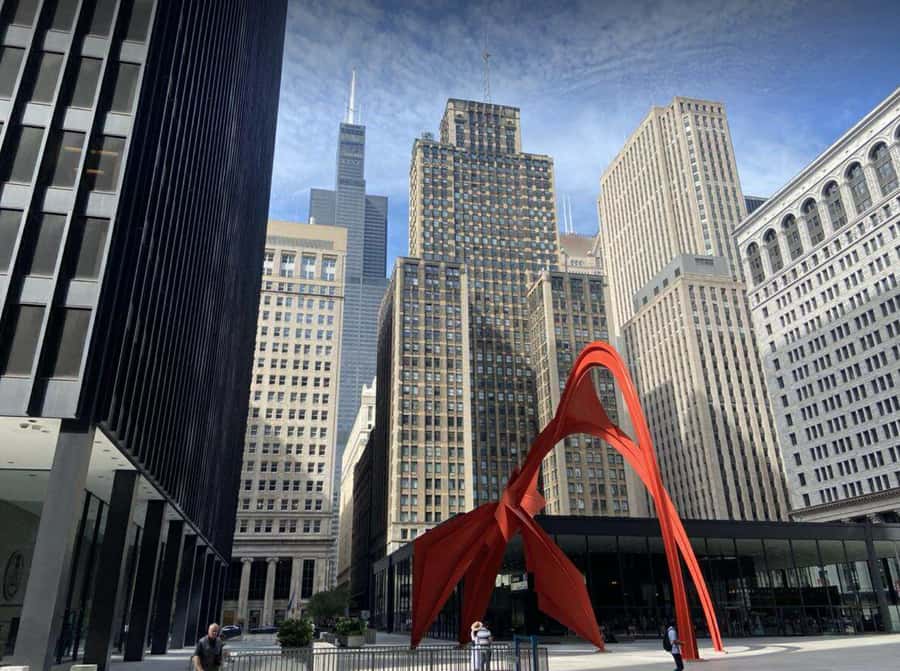
The Picasso statue is another notable stop. It has appeared in several famous Chicago films, including The Fugitive, The Blues Brothers, and Ferris Bueller’s Day Off. The statue also sits in a part of downtown associated with political and business power, so the tour uses the area for both movie scenes and crime stories.
Ferris Bueller gives the route a lighter turn. After hearing about mob figures and underground tunnels, it is fun to shift into the playful world of a Chicago day off. This contrast is one of the tour’s best features. The city’s movie identity is not only about violence, police chases, and dark alleys.
The Blues Brothers adds another layer, with its energetic use of Chicago streets. You can expect the guide to point out how familiar public spaces became part of the film’s appeal. The tour invites you to compare the real surroundings with the exaggerated action seen on screen.
I would pay close attention here if you enjoy noticing how films use recognizable landmarks. The value is in the comparison. The statue and surrounding streets may look ordinary at first, but the guide shows how directors framed them and why audiences remember them.
The business district, The Untouchables, and city power
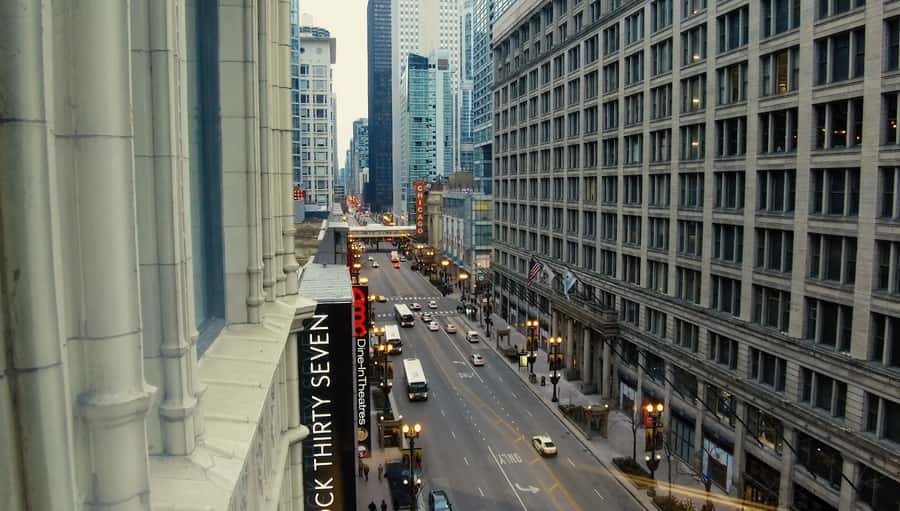
The central business district provides another run of film locations, including scenes connected with The Dark Knight and The Untouchables. This part of the tour links modern movie spectacle with older Chicago crime stories.
The Untouchables is especially important because the tour ends at the filming location for its climactic scene. That gives the walk a clear finish rather than simply stopping at a random downtown corner. The final location brings the mob and movie themes together in one place.
The story also reaches the Art Institute and Chicago’s cultural mile. You’ll hear how the Art Institute connects to famous movie moments and get practical advice about making the most of a visit there, including artworks used in films.
That advice is useful even if you do not plan to visit the museum during the same day. A guide can help you recognize why certain works appear on screen and how a museum visit can add another layer to a movie-themed trip. Keep in mind that the tour does not replace an Art Institute visit. It offers context and direction, while the museum itself requires separate time.
Inside the former Chicago Public Library
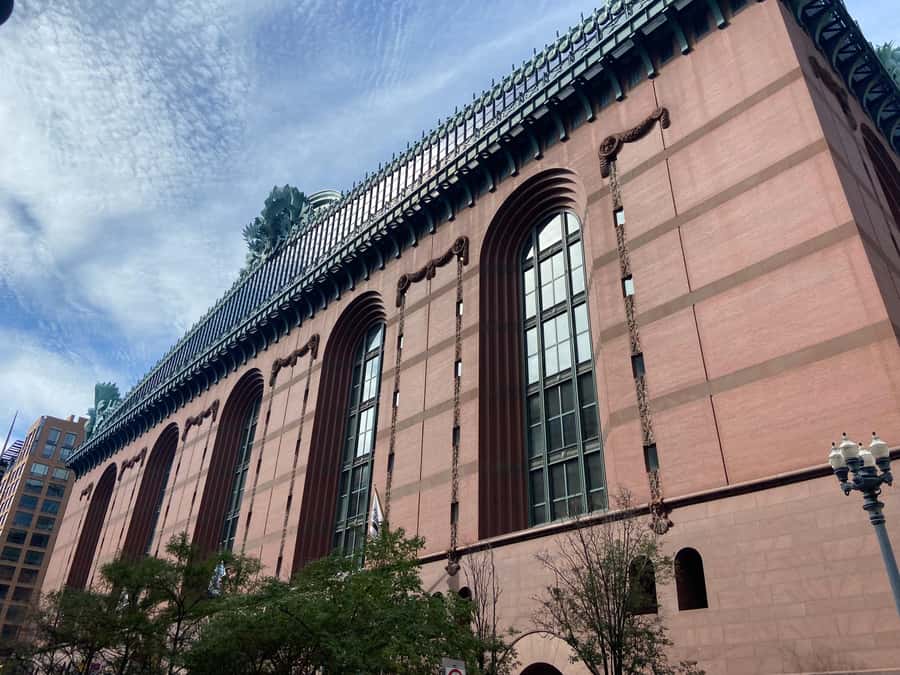
The tour finishes with architectural interiors in the former Chicago Public Library. The building includes the world’s largest Tiffany glass dome, along with other art exhibits. This is a strong final section because it adds beauty and scale after the grittier crime material.
Many city walks remain outdoors from beginning to end. Here, the interior visit gives you a chance to slow down, look upward, and appreciate Chicago’s civic architecture. It also broadens the subject beyond gangsters and film locations.
The former library is a reminder that Chicago’s identity is not only built from famous criminals or movie stunts. The city also invested in grand public spaces, art, and architecture. That wider view helps the tour feel like a downtown history walk with a strong pop-culture hook.
The interior locations are also practical for weather. The tour is still a walking experience, and you should be prepared to spend time outside, but indoor stops provide some variety. The available information does not promise a specific amount of shelter or climate control, so dress for Chicago conditions rather than relying on the building visits.
What the $35 price includes
At $35 per person, this is a reasonable price for a two-hour guided walk in central Chicago. You receive a live English-speaking guide, trained historian tour leadership, and souvenir photos.
The value depends on what you want from a city tour. If you only want a quick list of filming locations, you could explore some downtown sites on your own. The fee makes more sense if you want the stories tied together, especially the links between real crime cases and film production.
The inclusion of souvenir photos is a small but welcome extra. The more important part is the guide. A strong guide can explain why a location mattered, correct the usual movie myths, and keep the group moving through a lot of material without losing the plot.
The tour has a 4.9 rating from seven reviews, with repeated praise for clear history, lively presentation, and a guide who made the subject interesting. That is a small sample, so I would not treat the rating as a guarantee. Still, the pattern points to the experience’s main strength: presentation.
One review suggested adding locations from more movies. That is a fair consideration. The tour already covers a wide selection, but serious film fans may want more depth on individual productions. In two hours, the experience favors variety over a detailed examination of every title.
Who should take this walking tour
I would recommend it most strongly to:
- Film fans who want to see Chicago locations from several well-known movies
- Visitors interested in Capone, Dillinger, and organized crime history
- First-time visitors who want downtown landmarks with more story than a basic sightseeing walk
- Couples or families with different interests, since the route mixes crime, comedy, action, and architecture
- People who prefer a guided introduction before visiting the Art Institute or other downtown attractions
You may want another type of tour if you prefer a slow architecture study, a boat ride, or a dedicated gangster experience with little movie content. The route covers a lot of ground and topics, so it is better for breadth than for a single subject in great detail.
The tour is wheelchair and ADA accessible, but no mobility devices or transportation are provided. If you use a wheelchair or other device, bring your own and confirm any personal route needs before booking. The activity is in English, and the listing says it is not suitable for people with a cold.
Cancellation is flexible: you can cancel up to 24 hours before the start for a full refund. You can also reserve now and pay later, which helps if your Chicago schedule is still shifting.
Should you book Chicago’s Mobsters and Movies tour?
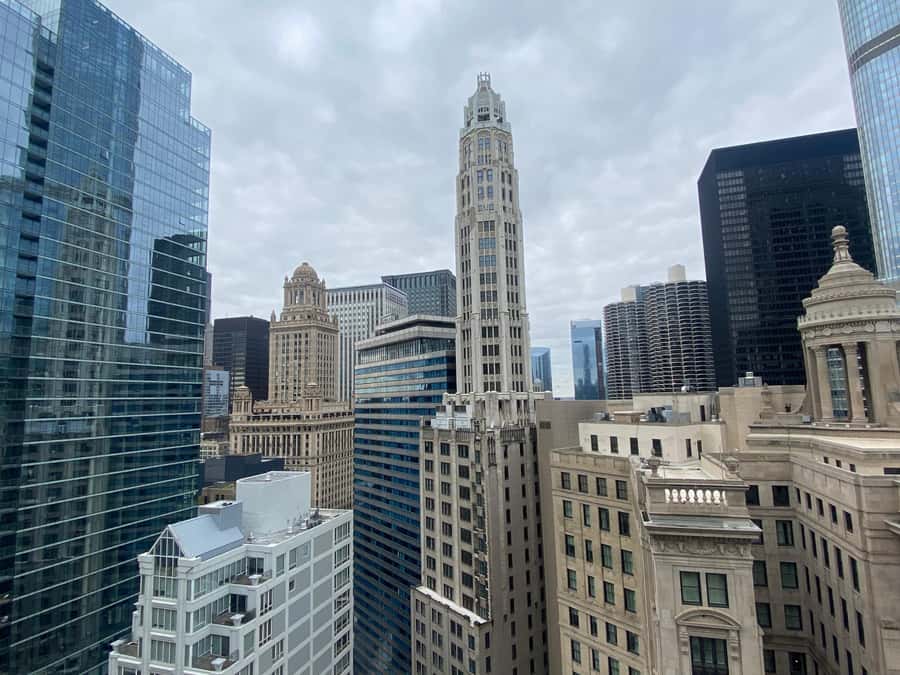
Book it if you want a lively two-hour walk that joins true crime, famous films, and downtown architecture. The strongest reason to choose it is the combination. You can hear about Capone and Dillinger, walk through areas linked with the Chicago Outfit, then connect those streets with Ferris Bueller, The Fugitive, The Dark Knight, The Blues Brothers, and The Untouchables.
At $35, it offers good value for a first look at central Chicago, especially with interior visits and souvenir photos included. Just remember that the broad route means some locations receive a short explanation rather than a long stop. For film fans seeking every possible movie site, it may feel too brief. For most visitors who want history with a lively screen connection, it is a smart downtown choice.
FAQ
Where does the Mobsters and Movies tour meet?
The meeting point is the Chase Bank at the corner of State and Wacker, near the Chicago Riverwalk.
How long does the tour last?
The walking tour lasts two hours.
How much does the tour cost?
The listed price is $35 per person.
What language is the tour offered in?
The live tour guide speaks English.
Which mob figures are covered?
The tour includes stories about Al Capone, John Dillinger, and the Chicago Outfit.
Which movies are connected to the route?
Featured films include The Dark Knight, The Fugitive, The Blues Brothers, Ferris Bueller’s Day Off, and The Untouchables.
Is the tour wheelchair accessible?
Yes. The tour is wheelchair and ADA accessible, but no transportation or mobility devices are provided.
Can I cancel the booking for a refund?
Yes. You can cancel up to 24 hours in advance for a full refund.
Just added in the USA
- Atlanta Hip Hop House Wives and Movie Tour★ 4.0 · 25 reviews
- Senoia The Walking Dead Film locations 2 hours Walking Tour★ 5.0 · 12 reviews
- Y’allywood 3 Hour Private Movie and TV Locations Tour★ 5.0 · 38 reviews
- Hollywood Day Tour from Orange County★ 5.0 · 2 reviews
- Private Trip Los Angeles, Beverly Hills, Hollywood From Anaheim★ 4.0 · 4 reviews
- LA: The Hollywood Guided Film Locations Tour★ 5.0 · 2 reviews
- Slingshot Rentals – Fort Laudarale, Las Olas, Hollywood★ 4.7 · 12 reviews
- Central Park, NY: Nature, Architecture and Movie Scenes Tour★ 4.2 · 4 reviews
Walking Tours, compared.
Magical London: Harry Potter Guided Walking Tour
Read our review →
Tour for Muggles The Ultimate Harry Potter Walking Tour in London
Read our review →
Hobbiton™ Movie Set Walking Tour from Shires Rest
Read our review →
Harry Potter Movies Walking Tour (Kids Go Free)
Read our review →
Harry Potter Walking Tour Including New College
Read our review →This one also appears on